First, where are we in the economic cycle?
What we have seen, quoted from El Erian is that this is not a banking crisis but a ‘banking tremble’ in relation to the collapse and merger of a number of regional U.S. banks and Credit Suisse last month. Central banks (mainly referring to the FED) according to El Erian, they have kept monetary policy too low for too long and then raised too fast last year which has led to the detrimental downfall of poorly managed banks that have not been able to function adequately in a high business rate environment.
El Erian goes on to further say this has exposed only a few badly managed banks and is actually beneficial for well-run large banks.
I would agree with El Erian on the point of the bank tremble. This was never really a bank run and is very different from the ’08 crash where aspects of debt were never known to the vast majority of bankers. However, what is very different from ’08 in this aspect is how fast depositors can withdraw funds now in the digital age. Look no further than SVB withdrawals of $42 billion in a day.
So, what does this mean for the investors looking at the larger economic picture?
The Fed is likely now to not raise rates as fast as what many analysts may have forecast to stop any other shock waves to banks or other sectors from higher interest rates too fast. With rates not rising as quickly or as high, it is likely that inflation is staying for longer periods.
Therefore, companies’ profits are likely to be affected by inflation for longer periods. So, looking for companies with high ROC might be beneficial for investors. While investors focusing on sectors should be looking at sectors that are quite defensive, it might also be something to rebalance a portfolio in.
Where would I invest $10,000 for the long-term high-risk investor?
SMIT – This is completely contradictory to what I have stated above about the economic climate on how to navigate portfolios in the mid-termand in the defensive sector, opting for a growth innovative fund. Of course, this is not for the faint-hearted with returns of negative 40% plus last year this is not for those that can’t stomach losses or the short term.
However, for investors here for the long term I see this as a fund to keep an eye on due to it being closed-ended. Meaning that it can be valued at a discount as well as have the ability to go into private equity and gear (use leverage). If used right, can be an advantage to the fund.
Figure 1: Taken from Trustnet date 15/4/2023 showing a discount to NAV that SMIT is presently trading at.
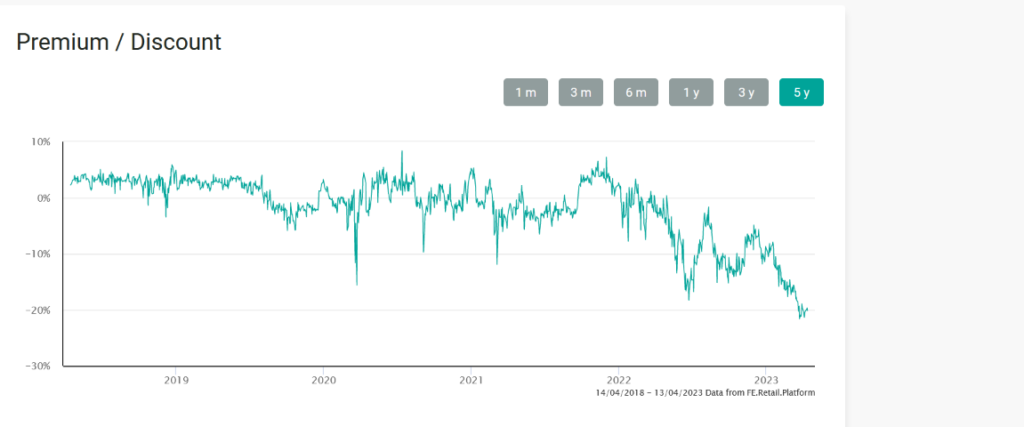
SMIT NAV means that you are buying assets for 80p (as this is based in GBP) worth 1 GBP presently.
Other analysts seem to agree:
To give some balance against SMIT some of its holdings are yet to see a profit and are very unpredictable if they will be successful at all. With what I have stated above about the economy it is likely that in the mid-term (2-4 years) this fund could be somewhat stagnant as we go through the boom-bust business cycle.
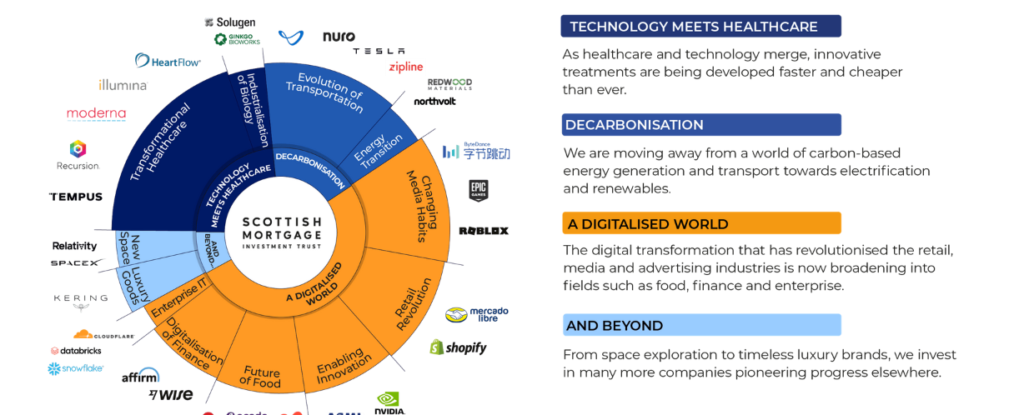
Figure 2: SMIT holding based showing the areas/sectors as a doughnut chart.
Source:
https://www.scottishmortgage.com/en/uk/individual-investors/holdings
An example of investing in yet reliable and profitable companies:
Space X personifies the high-risk attitude that SMIT takes (SMITs 5th largest holding at the time of writing). Although, not many people doubt the use of space exploration and tourism in the future. Yet, it is still a big question if ever this company will take off (pun intended) and if it will be the company to succeed.
You just need to look at what happened this year in Virgin Orbit. A very costly business to be in that can lead to bankruptcy and/or financial difficulty if the right strategy is not implemented.
Where to invest $10,000 for the medium-risk investor?
As stated above see the mid-term is quite challenging for a lot of companies and from a market perspective. Unlike last year, where certain good quality tech companies such as Microsoft and Meta seemed to be at a discount to buy, I don’t see anything jumping out as a buy due to higher market valuations.
In fact, I see the market as quite high for the present economic climate and quite optimistic so some pessimism could lead to stagnant and potentially negative markets. If I were to look at it statistically I would bet that more negative elements could present themselves than positive ones in the forthcoming year.
Investors might want to look for defensive equities for medium-term and medium-risk investors. These are usually pretty mature, and market-leading companies in their respective sectors with dividends. I do think dividends could be a promising prospect if a flat year is to present itself.
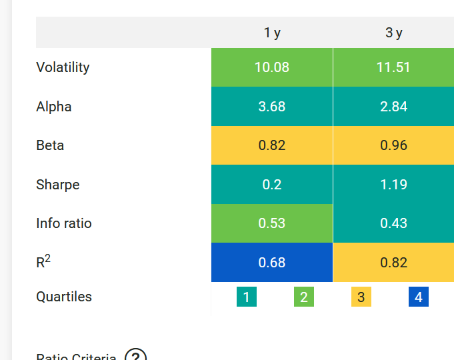
A fund that I personally find to be exceptional in this field is Guinness Global equity income:
This has a low beta but yet high Alpha
Figure 3: Guinness Global equity metrics source trustnet date 15/4/2023
https://www.trustnet.com/factsheets/O/m67n/guinness-global-equity-income/
And if you look at the holdings the companies all seem pretty stable with a relatively equal weighting

Where would I invest for the defensive investor?
This for me is quite simple. I do see value in short and mid-term duration of good quality investment grade bonds. However, buying bond funds the price may still be affected by rate hikes. Therefore, if you do see better opportunities and just want to liquidate money, I personally see money markets as a better asset.
This has been shown by the influx of wealth into money markets. In the first quarter of 2023, $508 billion has been invested in money markets (source fortune).
https://fortune.com/2023/04/13/cash-rising-interest-rates/
With yields of nearly 5% and the mechanics of money markets that you should keep going up above the NAV meaning for investors (ignoring transaction fees) should get more than what they put in a promising aspect.
Yes, I agree it’s not keeping up with inflation. However, if you can get near 5% for either waiting for the next opportunity to present itself or get more than what the bank offers, I do see this as a feasible investment for a number of investors in the midst of what could be market volatility in different assets classes (equities).
Some of the top money market funds:
VMFXX: https://investor.vanguard.com/investment-products/mutual-funds/profile/vmfxx
Bonus for investors. What is my stock pick?
For stocks, don’t see too much jumping out as an opportunity and see the economic climate as tough for a number of sectors and companies in the equity market.
However as stated at the top of the article, I do see good quality banks not at risk, and I could be wrong, but I do see some as an opportunity. I have seen many investors/depositors look for banks in the Asia region as a safe haven.
Singapore for example, is seen as the safest place and has seen a vast amount of wealth in its banks.
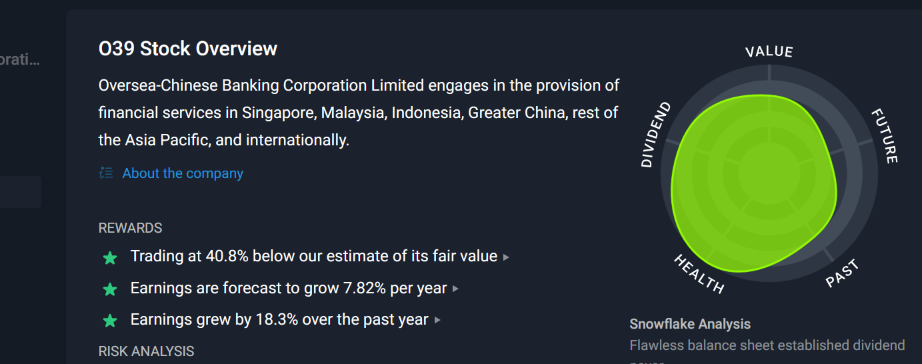
One bank that has a high dividend of 5.3% and is well covered and in good health is Singapore bank, OCBC (also being backed by the Singapore government) which is presently by many analyses seen to be at value.
Figure 4: OCBC snowflake source simply wall street
Summary
This is designed for me in three situations, high risk, medium risk, and low risk. Risk for me is volatility and deciding whether I can handle the 40% swings of SMIT or the certainty of a dividend in a defensive company or bond.
Please let me know if you do have any questions by using the chatbox or pressing the button at the bottom of the page.
This is not personal financial advice and any investment without any discussion of your risk profile are done so at your own risk. If you are wanting personal financial advice, then please contact me or another qualified and competent advisor.
All views are my own.
If you want to see a video that I have recorded previously, it might help to see the changes over time!