Table of contents
When people talk about where to retire or live as a digital nomad in Asia, the same names always come up: Thailand, Malaysia, Bali, Vietnam, or sometimes Japan and South Korea. Taiwan, on the other hand, rarely makes the shortlist. And that’s a shame, because after spending time in Taipei again recently, I’m convinced it’s one of the most underrated places in the world for long-term living.

Taiwan offers the best of East Asia safety, modern infrastructure, incredible convenience, and easy access to nature without the sky-high costs of Tokyo or Singapore. It’s a place where you can live comfortably, eat well, and travel easily, while still enjoying the vibrancy and authenticity of a culture that isn’t overrun by mass tourism.
Of course, it’s not perfect. Visas aren’t as simple as in Thailand or Malaysia, taxes aren’t particularly expat-friendly, and parts of Taipei look a little dated. But if you’re looking for balance somewhere that combines world-class infrastructure with affordability and access to nature, Taiwan is hard to beat. It has been voted numerous times over the last few years as one of the top places for exats.
For more content on visas, residency and life as an expat, here are some more blogs:
- Taiwan Residency for expats – Is it underrated?
- 3 Residency Programs – High Net Worths
- Thailand’s LTR Visa Changes – October 2025
If you have any questions, please contact me through my website on my contact page.
A Country of Contrasts
Taiwan is small, about the size of Belgium, but it is home to over 23 million people. Most of that population is concentrated in western cities like Taipei, Taichung, and Kaohsiung, which leaves vast stretches of untouched landscapes elsewhere.
It’s this duality that makes Taiwan so special. One day you’re in a busy financial district, eating in a sleek international restaurant, and the next you’re hiking through Taroko Gorge or soaking in a hot spring in the hills outside Taipei. For retirees looking for peace and convenience, or nomads wanting a balance between work and exploration, Taiwan offers both.
The Pros of Living in Taiwan
World-Class Transportation
Few places in the world make getting around as effortless as Taiwan. Taipei’s MRT system is clean, punctual, and extensive, connecting seamlessly with buses, taxis, and the YouBike sharing scheme. You never feel stranded, even if you don’t speak Mandarin.
For longer journeys, the high-speed rail zips between the West Coast’s major cities in a matter of hours. It means you can live in Taipei but enjoy regular weekend escapes to Kaohsiung, Taichung, or Tainan with ease.
Nature on Your Doorstep

What really struck me on my last trip was how close Taipei is to nature. Within 30 minutes on the MRT, you can be hiking Elephant Mountain or sipping tea in the Maokong hills. Drive or take a train a bit further and you’re in Yangmingshan National Park, with its volcanic landscapes and hot springs.
Beyond Taipei, the scenery only gets better: Taroko Gorge’s marble canyons, the surf beaches of Yilan, and the tropical coastline of Kenting. For anyone who values running trails, hiking, or simply escaping into greenery, Taiwan is a paradise.
A Global Food Scene
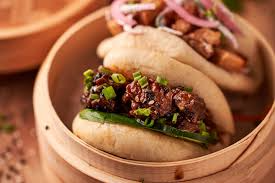
Here’s where I’ll admit a personal bias: Taiwanese cuisine itself isn’t my favourite. The flavours and textures don’t always suit my palate. But Taipei redeems itself with its international food scene.
Because of its history and geography, Taiwan has absorbed influences from Japan, China, and beyond. The result is a city where you can eat some of the best Japanese food outside Tokyo, grab authentic Korean barbecue, or enjoy Italian, Middle Eastern, and American options. Add to that the famous night markets for cheap eats, and Taipei becomes a very easy city to live in if you care about food.
Safety and Stability
One of Taiwan’s biggest strengths is its safety. Violent crime is rare, petty crime is low, and walking around at night feels comfortable. For retirees, that peace of mind is invaluable. For nomads, it removes the stress of worrying about personal security or belongings when moving around the city.
Excellent Airlines and Global Access
Taiwan also punches above its weight in aviation. EVA Air, China Airlines, and the new luxury carrier Starlux connect Taipei to every major hub in Asia, as well as North America and Europe.
For someone building a global lifestyle, it means you can easily hop in and out of Taiwan, whether you’re heading to Bangkok for a month, flying to Europe, or visiting family in the U.S.
Reasonable Costs Compared to Japan or Korea
Taiwan isn’t “cheap Asia” in the way Vietnam or Cambodia might be, but compared to Tokyo, Seoul, or Singapore, it’s refreshingly affordable. Renting a modern apartment costs roughly half of what you’d pay in Tokyo, transport is cheap and efficient, and eating out won’t break the bank.
The main exception is buying property; real estate prices in Taipei are notoriously high. But for renters or shorter-term stays, Taiwan is very reasonably priced.
The Cons of Living in Taiwan
Visas Aren’t Simple
This is probably Taiwan’s biggest drawback. Unlike Malaysia with its MM2H program, or Thailand with its various long-stay visas, Taiwan doesn’t have a straightforward retirement visa.
The main options are:
- Visitor visas, which can sometimes be extended up to 180 days.
- Resident visas are tied to work, study, or investment.
- The Taiwan Gold Card, a residency program for highly skilled professionals, is valid for one to three years.
While these options exist, they’re not as plug-and-play as elsewhere in Asia, and this keeps Taiwan’s expat population smaller.
Taxes Aren’t Expat-Friendly
If you spend more than 183 days in Taiwan in a year, you’ll be taxed on your global income. The rates are fair, but they’re not as attractive as Malaysia’s territorial system (which doesn’t tax overseas income), or Thailand’s relatively light treatment of expats.
For retirees or nomads thinking about tax optimisation, Taiwan won’t win any awards.
Costs Are Reasonable, But Not Rock-Bottom
While Taiwan is cheaper than Japan or Korea, it’s not as inexpensive as Vietnam or Thailand. Daily life is affordable, but if you’re stretching a tight budget, you might find better value elsewhere in Southeast Asia.
Language Barriers
English is not widely spoken outside of Taipei’s younger generation. You can get by, but learning basic Mandarin makes a big difference, both practically and socially.
If you want to really connect with locals, order food confidently, or navigate outside the main cities, some Mandarin is essential.
Outdated Cityscapes
One criticism I’ve always had of Taipei is that much of it looks a little worn out. Old apartment blocks dominate the skyline, and some areas feel dated.
That said, there are pockets of modern development. On my last visit, I stayed near a new financial park with a gleaming mall and fresh high-rises, and it felt like a different city. Taipei is slowly modernising, but it’s not going to wow you aesthetically like Singapore or Tokyo.
Cost of Living: Taiwan vs. Neighbours
Here’s a rough monthly comparison of living costs (in USD) for a single person renting a one-bedroom apartment in the city centre:
| Expense | Taipei (Taiwan) | Bangkok (Thailand) | Kuala Lumpur (Malaysia) | Tokyo (Japan) |
|---|---|---|---|---|
| Rent (1-bed apt) | $700–$1,000 | $500–$800 | $500–$700 | $1,200–$1,800 |
| Utilities & Internet | $80–$120 | $70–$100 | $60–$100 | $120–$160 |
| Public Transport | $40–$60 | $30–$50 | $30–$50 | $100–$150 |
| Eating Out (casual) | $4–$8 per meal | $2–$5 per meal | $3–$6 per meal | $8–$12 per meal |
| Mid-range Dining | $15–$25 | $10–$20 | $10–$20 | $25–$40 |
| Monthly Groceries | $250–$400 | $200–$300 | $200–$350 | $400–$600 |
Taipei clearly isn’t the cheapest, but it sits in a comfortable middle ground, far more affordable than Tokyo, while offering far better infrastructure than most Southeast Asian capitals.
Why Taiwan is Overlooked
So why does Taiwan remain a hidden gem?
- Low awareness: It doesn’t market itself aggressively as a retirement or nomad destination.
- Visa difficulty: Other countries make it easier to stay long-term.
- Competition from neighbours: Thailand offers cheap living, Japan offers prestige, and Malaysia offers tax benefits. Taiwan slips under the radar.
And yet, for the right person, those very factors make it appealing. It’s not overrun with tourists or transient expats. It feels authentic, safe, and lived-in.
Final Thoughts: A Place for Balance
Taiwan may not be the easiest place to move to, nor the cheapest. But for those who value safety, world-class infrastructure, convenience, and proximity to nature, it’s a dream. Taipei, in particular, is one of the most livable cities in Asia, offering all the comforts of a major capital while still being minutes away from hiking trails and hot springs.
During my last visit, I was reminded how good the transport is, what the major cities are like and the breathtaking nature. Especially when you compare the cost of trains in the UK to those in Taiwan, the difference in cost and quality is staggering.
For retirees seeking stability or nomads looking for efficiency and balance, Taiwan deserves serious consideration. In a region crowded with obvious choices, it remains one of the world’s most underrated gems, quietly offering a lifestyle that rivals the best of Asia, but at a fraction of the cost of Tokyo or Singapore.
Blogs I have written about life in Asia:
- Thailand’s LTR Visa Changes – October 2025
- Residency in Malaysia: Malaysia My Second Home (MM2H)
- Bali Residency Options: A Comprehensive Guide
- Best Investment Platforms for Expats in 2025: Fees, Funds & Features Compared
Yes. Taiwan offers world‑class transportation, excellent safety, modern infrastructure, easy access to nature, and reasonable living costs compared to Japan or Singapore. It’s one of Asia’s most underrated long‑term living destinations for people seeking comfort, convenience, and balance.
The biggest challenges are complex visa options, less expat‑friendly tax rules, language barriers, and some outdated city areas. While daily life is smooth and safe, long‑term residency planning requires more preparation than in Thailand or Malaysia.
Taiwan is more affordable than Japan, South Korea, and Singapore, especially for food, transport, and daily living costs. However, it’s not as cheap as Thailand or Vietnam, making it ideal for retirees or nomads who want comfort without premium‑city prices.