
Having spent extended periods of time in Taiwan over the past ten years, living across Asia, I can honestly say it’s one of the most underrated places on the planet, especially when you consider its level of development, affordability, and overall quality of life. Perhaps it gets overlooked due to political uncertainty, or the fact that many countries don’t officially recognise it as a sovereign nation. But for those of us who’ve lived here, it’s clear: Taiwan is an absolute gem.
If you have any questions regarding Taiwan, investments, property or anything similar, please contact me through my Contact Page.
A video which you may find useful on Taiwan:
Life in Taiwan
Ranked repeatedly by InterNations as one of the best places in the world for expats, Taiwan offers a rare combination of convenience, comfort, and cultural richness. The food scene is incredible, whether you’re diving into a bustling night market or grabbing a surprisingly gourmet bento box at a 7-Eleven. Speaking of which, convenience stores here are next-level. Unlike the stereotypical gas station snacks in the U.S., Taiwan’s 7-Elevens are everywhere and stocked with high-quality, fresh meals and everything you need to get through the day.
Transportation in Taipei is also fantastic. Whether you’re navigating the city by metro, bus, or one of the free-to-use YouBikes, getting around is a breeze. I often find myself cycling to a local café or hopping on the high-speed rail to visit another city, and every time, I’m impressed by how efficient and user-friendly the system is.
Then there’s nature. Taiwan’s outdoors are, quite simply, world-class. From tropical beaches and lush forests to dramatic mountain ranges, it’s no wonder the Portuguese once called it “Formosa,” meaning “beautiful island.” For those who appreciate a balance of urban convenience and breathtaking natural escapes, few places compare.
With all these advantages, it’s no surprise more and more expats are choosing Taiwan not just as a travel destination, but as a base to live, work, and build a future. However, living here long-term comes with its financial considerations, especially if you’re managing international income, planning for retirement, or thinking about residency and tax strategies. In the rest of this guide, I’ll share insights based on both experience and research to help fellow expats navigate the financial landscape in Taiwan.
For British and Australian expats living in Taiwan, managing finances can often feel like navigating unfamiliar territory. While Taiwan offers safety, affordability, and a high quality of life, its financial landscape presents unique challenges for foreigners. Whether you’re working in Taipei, teaching English in Taichung, or running a remote business from Kaohsiung, having a solid financial strategy can make the difference between thriving and merely getting by. This guide is designed to help you make informed decisions around local banking, offshore investing, estate planning, tax, and long-term residency options.
Bank Accounts for Taiwan
One of the first steps for any expat settling in Taiwan is opening a local bank account. Taiwan’s banking system is stable and well-developed, though it may not be the most user-friendly for non-Mandarin speakers. Major institutions such as the Bank of Taiwan, Taipei Fubon Bank, CTBC, and Mega Bank are commonly used by foreigners for everyday transactions. While most local banks have limited English-language services, branches in urban centres tend to be more accommodating. For those seeking a more international experience, banks like HSBC Taiwan or Standard Chartered offer multi-currency accounts and online platforms with better English support, albeit at higher fees.

Despite having access to local banking, many expats soon realise that investing through Taiwanese institutions may not be the most efficient route, especially when looking for long-term tax advantages or international portability. This is where offshore investment platforms become critical for expats in Taiwan who want to manage their wealth effectively. Instead of relying on high-fee products or opaque local offerings, expats are increasingly turning to transparent, low-cost offshore platforms that are regulated in the UK, EU, or other trusted jurisdictions.
Among the most popular of these is Ardan International, based in the Isle of Man. Ardan provides access to a wide range of global funds, ETFs, and currencies, and is especially appealing for its simple fee structure and flexibility. Another excellent option is Saxo Bank, a Danish institution well known for its professional-grade investment platform. Saxo caters to more experienced investors and offers direct access to global equities, bonds, FX, and ETFs at competitive rates. For UK expats specifically, Morningstar Wealth Platform stands out. It’s FCA-regulated, offers access to tax-wrapped investments like SIPPs and ISAs (for those still eligible), and is an ideal solution for those planning to return to the UK or consolidate pension assets.
Other blogs I have written on investment platforms are:
FinTech for Expats
In addition to traditional banking and investment platforms, fintech is increasingly playing a role in the financial lives of expats in Taiwan. Services such as Wise (formerly TransferWise) and Revolut are widely used for low-cost currency conversion and international money transfers. These digital platforms are fast, user-friendly, and offer multi-currency accounts that help expats manage their income across borders. While fintech banks cannot fully replace a local Taiwanese bank account—they don’t allow for bill payments or local remittances—they are invaluable for cross-border financial management. Many expats also retain UK or Australian digital bank accounts with institutions like Monzo, Starling, or Up Bank, using them to maintain ties with their home country while enjoying the lower costs and flexibility of fintech services.
Estate Planning
Another crucial but often overlooked element of financial planning for expats in Taiwan is estate planning. For UK nationals, it’s important to remember that HMRC considers domicile, not residence, as the primary factor for inheritance tax liability. This means that even if you’ve lived abroad for many years, your worldwide assets may still be subject to UK inheritance tax at 40% on amounts above the nil-rate band. Holding assets in offshore trusts or certain non-UK structures can help mitigate this, but professional advice is essential to avoid unintended consequences. Similarly, Australian expats are taxed based on their residency status. Non-residents can still be subject to capital gains tax on Australian real estate or shares, and careful planning is needed to manage superannuation accounts and other domestic investments from abroad. In both cases, it’s advisable to have an international will that addresses both Taiwanese and home country laws to ensure your estate is managed smoothly.
While estate planning and tax efficiency are important, it’s just as critical to avoid products that are heavily marketed to expats but often provide poor value. Chief among these are offshore bonds and savings plans, which are frequently sold on high commission models. Offshore bonds, such as those offered by RL360, Friends Provident, or Generali, are often presented as tax-efficient, flexible investment wrappers. In reality, unless you’re investing upwards of $250,000 and are willing to lock your funds away for at least 10 years, these products rarely offer meaningful benefits. Liquidity restrictions, high internal charges, and exit penalties make them unsuitable for most expats in Taiwan. Offshore savings plans like RL360 Quantum or the ITA plan are even more problematic. These plans tie you into monthly contributions over long terms, with salespeople receiving up to 18 months of your premiums upfront. In most cases, expats can achieve better outcomes using low-cost platforms with transparent fees and flexible access.
Investing in Taiwan Real Estate
For those considering investing locally, Taiwan’s real estate market might seem like an attractive opportunity, but it comes with significant risks. Foreigners are allowed to purchase property in Taiwan, provided there is reciprocal legal access, which exists for British and Australian nationals. However, real estate prices in Taiwan, particularly in Taipei, are high relative to average rental yields. In addition, the resale market can be illiquid, and transaction costs are steep. More importantly, ongoing political tension between Taiwan and China injects a level of geopolitical uncertainty that should not be underestimated. While Taiwan is unlikely to see sudden upheaval, expats seeking long-term stability for their assets may prefer to diversify elsewhere, through global REITs or overseas property funds that offer better yield, tax advantages, and flexibility.
Expat Taxes when Living in Taiwan
Understanding the Taiwanese tax system is also critical for any expat looking to stay long-term. Taiwan taxes individuals based on residency, defined as spending 183 days or more in a calendar year in the country. Tax residents are only taxed on income sourced in Taiwan, meaning foreign income is generally not subject to local taxes. This can make Taiwan a highly favourable base for remote workers, retirees, or business owners with offshore income. The personal income tax system is progressive, ranging from 5% to 40%, while non-residents pay a flat 18% on Taiwan-sourced income. There is no capital gains tax on global investments (except for local Taiwanese stocks in some cases), and Taiwan does not impose wealth or inheritance taxes. This tax neutrality makes it an ideal jurisdiction for managing global investments, provided those investments are held outside the Taiwanese system.
Residency for Expats in Taiwan
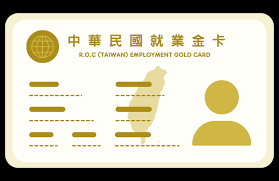
For those considering a long-term stay in Taiwan, it’s worth understanding the options for residency and even citizenship. Expats can typically enter Taiwan on a work visa or through a Gold Card, which has become increasingly popular. The Taiwan Employment Gold Card is a four-in-one open work permit, residency visa, and re-entry permit. It’s designed for skilled professionals, including those in tech, finance, education, and the arts. This card allows you to live and work freely in Taiwan for up to three years and can be renewed. After five consecutive years of legal residency, holders of work-based or Gold Card residency may apply for permanent residency, known as an APRC (Alien Permanent Resident Certificate). To qualify, you must have spent 183 days or more in Taiwan each year and meet certain income or employment criteria.
Taiwanese citizenship is also possible, though more complex. After five years of continuous residency with an APRC or other long-term visa, foreigners may apply for naturalisation. However, Taiwan currently requires applicants to renounce their original citizenship, which can be a deal-breaker for many. While dual nationality exceptions exist—especially for those with special contributions to the country—they are rare. As a result, most long-term expats prefer to retain permanent residency without pursuing full citizenship, gaining access to local healthcare, social benefits, and work rights while avoiding the complications of giving up their home country’s passport.
Ultimately, the key to building long-term wealth and financial security as an expat in Taiwan is to stay informed, use regulated platforms, and avoid commission-driven products. Offshore platforms like Ardan, Saxo, and Morningstar offer the flexibility, transparency, and efficiency that expats need. Local banks can serve day-to-day needs, while fintech platforms bridge the gap between convenience and cross-border financial control. Estate planning and tax management should not be postponed, especially if you have significant assets or intend to return to your home country. Avoiding high-cost offshore bonds and savings plans marketed aggressively to expats is perhaps the most important step you can take toward safeguarding your financial future.
If you are an expat living in Taiwan and need professional, transparent advice on managing your investments, pensions, or tax exposure, it’s essential to work with a regulated financial advisor who discloses all fees upfront. Seek out advisors who use fee-based models and platforms like Ardan or Morningstar, rather than those pushing commission-heavy products with long-term lock-ins.
For more bespoke guidance or to learn more about investments as an expat, reach out via my contact page.
Blogs which will help you:
- Taiwan Residency for expats – Is it underrated?
- South East Asia Retirement Options
- Thailand 2024 Tax Reforms Explained
Most UK expats in Taiwan are only taxed on Taiwan‑sourced income, not foreign income. However, long‑term residents or those qualifying as tax residents may face different rules, so it’s important to review Taiwan’s residency thresholds and double‑taxation considerations.
Expats can invest locally, but many prefer international platforms like Saxo, IBKR, or multi‑currency SIPPs for better diversification, lower fees, and easier management when moving between countries. Taiwan’s local investment options can be restrictive for foreigners.
Most expats use a UK SIPP or International SIPP to consolidate pensions and maintain flexibility while living abroad. These options allow multi‑currency investing, global access, and UK regulatory protection — ideal for expats who may relocate again.