Having just come back from a trip to Kuala Lumpur, I thought it would be fitting to write a comparison about KL to Bangkok and give my thoughts on what might be a better place to live, work or retire. As I believe both of these cities to be some of the best places in Asia for nomads, expats and retirees, while having a lot in common, they also have a lot of differences, so let’s dive in.
I am currently living in Bangkok and have bought my first property there as an expat. I’ve been an expat for 10 years in Southeast Asia.
Table of contents
If you have any questions, please feel free to contact me by using the button at the bottom of the page or by visiting my contact page.

Blogs to help, which I have written:
- Thailand 2024 Tax Reforms Explained
- Thailand’s 2025 Offshore Income Proposed Tax Change: What Expats and Nomads Must Know
- Residency in Malaysia: Malaysia My Second Home (MM2H)
Introduction
In the lively landscape of Southeast Asia, Bangkok and Kuala Lumpur stand as particularly alluring options for numerous foreign expats.
Amid the broader Asian context, these two cities distinguish themselves with their cultural vibrancy, entrepreneurial spirit, and distinctive opportunities that set Kuala Lumpur and Bangkok apart.
While both cities might share some surface-level similarities, a deeper exploration reveals significant differences. These distinctions could potentially be dealbreakers, prompting a reconsideration of your decision to relocate to either city.
Bangkok, a city adorned with golden temples and bustling markets, exudes vibrancy. The air is filled with the enticing aroma of sizzling street food.
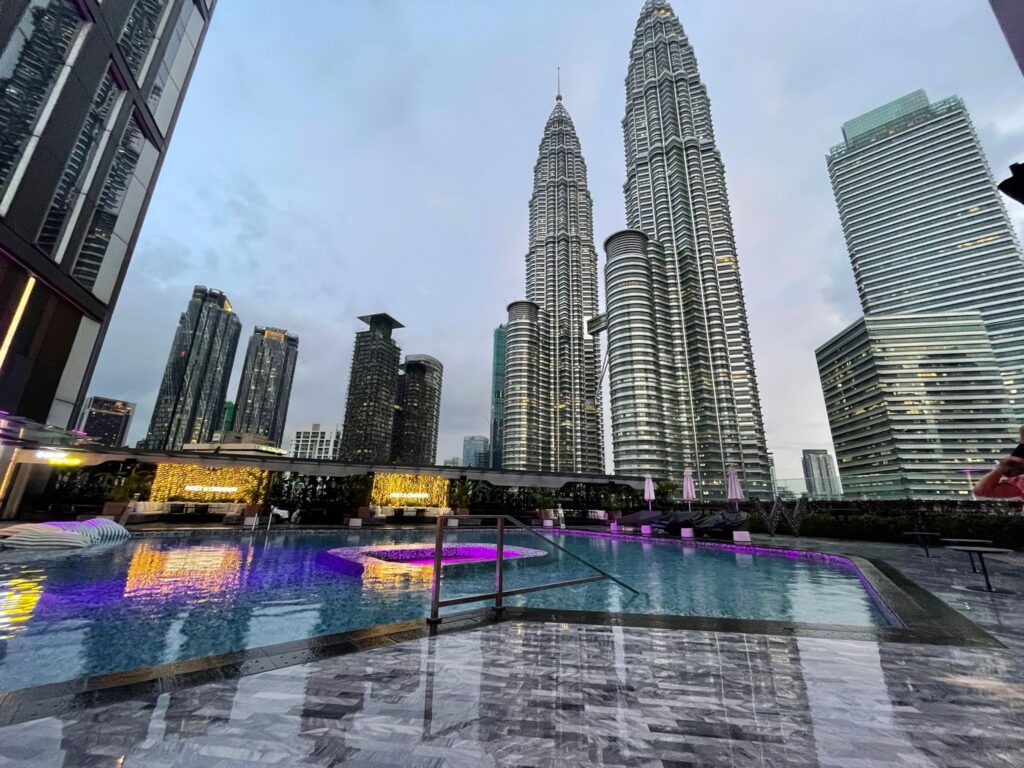
Contrastingly, Kuala Lumpur’s metro area is approximately half the size of Bangkok’s. Yet, “KL” is a cultural and flavorful melting pot. The city boasts a unique blend of elegance, with skyscrapers overlooking lush green parks.
This article aims to thoroughly examine both Bangkok and Kuala Lumpur, shedding light on these remarkable cities’ pros and cons and what they offer to expats, tourists, and investors alike.
Cost, Value, and Quality of Life
When considering a place to live, two critical factors are the cost and the quality of life. After all, affordability alone may not lead to thriving if comfort and well-being are compromised.
In straightforward terms, the cost of living in Bangkok is estimated to be 32% higher than in Kuala Lumpur, according to numbeo.com.
Examining real estate prices accentuates these differences, particularly in central areas. Renting or purchasing a condo in the heart of Bangkok typically incurs double the cost compared to a similar property in Kuala Lumpur.
While exact costs hinge on factors like lifestyle and family size, comparing these numbers provides a useful starting point. In general, living in Bangkok tends to be around a third more expensive than in Kuala Lumpur.
Weather
Both cities feature tropical climates, characterised by heat and humidity. Adapting to these conditions is crucial for an enjoyable experience in either city.
However, Bangkok tends to have hotter and more humid weather compared to Kuala Lumpur. The latter boasts city parks and an overall greener environment, providing some relief from the heat and offering opportunities to escape to cooler places during midday temperatures.
Air pollution is a shared challenge, attributed partly to transportation and nearby manufacturing plants. While it’s a regional problem, measures can be taken to mitigate health risks, such as planning holidays during periods of poor air quality.
Transportation
Both cities boast straightforward and affordable transportation systems, with abundant ride-sharing apps and reasonably priced taxis.
Bangkok’s narrow streets often face congestion, contributing to its renowned traffic challenges. The chaotic urban environment may not suit everyone. In contrast, Kuala Lumpur feels more organised, but Bangkok’s public transport network, including the Skytrain, subway, canals, and trains, is more extensive.
For those who prefer public transport or walking, Bangkok offers better accessibility compared to Kuala Lumpur, where private cars are more commonly used.
Safety
The primary safety concern in both cities revolves around petty crimes like bag snatching and pickpocketing. Using common sense, avoiding unfamiliar dark areas alone, and safeguarding personal belongings are essential precautions.
While both cities are generally safe, Bangkok has a lower crime level than Kuala Lumpur. The latter has experienced an increase in concerns related to bag snatching, pickpocketing, and theft, especially in areas like KLCC and KL Sentral.
On an international scale, Malaysia ranks higher on the Global Peace Index (18) than Thailand (103). Although some index measures may not directly impact daily living, they reflect societal safety and security levels, making them worth considering.
In the broader context, Bangkok is considered safer than Kuala Lumpur, but both cities are generally secure, and issues are highly unlikely for visitors.
Housing in Bangkok and Kuala Lumpur
Whether you’re in search of a home to buy, a rental property, or an investment opportunity, both Bangkok and Kuala Lumpur offer enticing real estate prospects.
Bangkok
Bangkok’s real estate market has witnessed substantial foreign investment due to the city’s strategic location, growing economy, and tourist appeal, making it an attractive destination for property investors.
In terms of rental yields, Bangkok sees the highest returns for centrally located condos, particularly those near BTS Skytrain and MRT stations. Expect around 5% yields for one-bedroom units and 3% for two-bedroom units, considered low-to-moderate compared to Southeast Asia as a whole.
As a foreigner, you can own freehold condos in your name, with some restrictions. Foreign citizens can own up to 49% of the total floor area of any condo building but cannot directly own land.
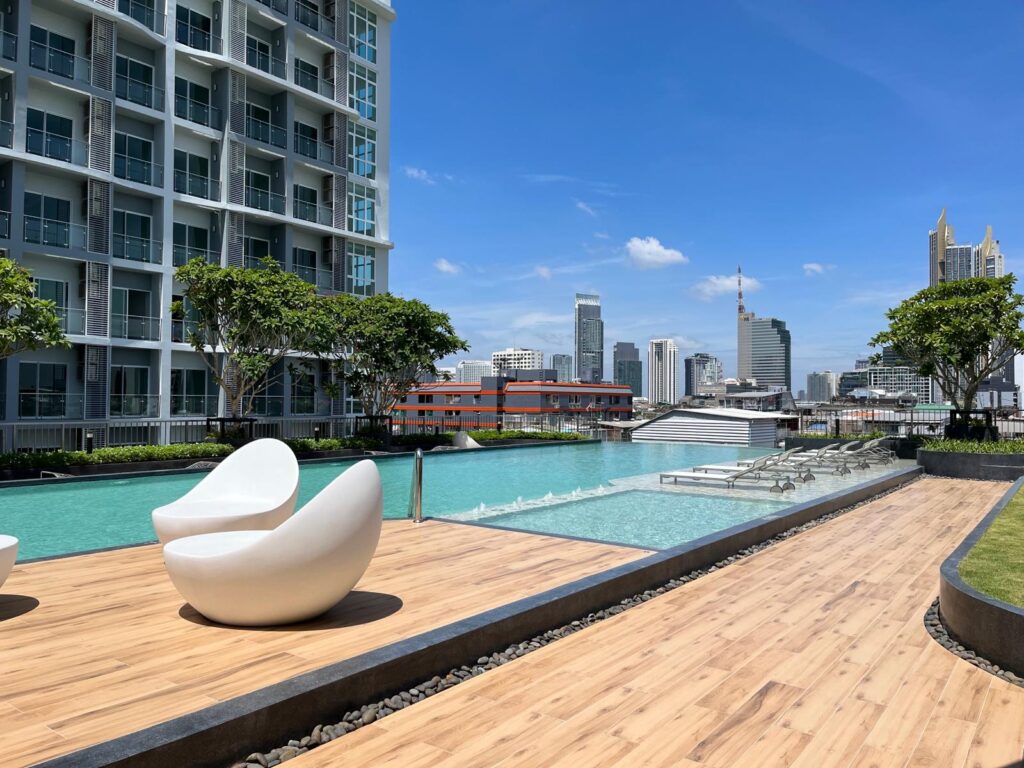
When it comes to finding a place to live, both Bangkok and Kuala Lumpur provide various options, catering to individual preferences and budgets. Bangkok offers a diverse range, from traditional Thai-style houses to modern condominiums and apartments.
- Condominiums: Popular among expats and young professionals, offering amenities like pools and gyms. Monthly rent for a two-bedroom unit in central locations (e.g., Sukhumvit or Silom) ranges from $1,000 to $3,000.
- Townhouses and Detached Homes: Ideal for those seeking more space and privacy, often featuring traditional Thai architectural elements. Monthly rent ranges from $800 to $2,500, slightly more affordable than condos.
Here are three notable neighbourhoods in Bangkok, each catering to a different lifestyle:
- Sukhumvit: Known for vibrant nightlife, shopping, and dining, popular among expats and young professionals.
- Sathorn: A prime business district, offering upscale condominiums and proximity to international schools.
- Ratchathewi: Blending an authentic Thai experience with city living, home to Victory Monument and Soi Rangnam.
Kuala Lumpur
Kuala Lumpur’s per-square-meter price stands at around half of Bangkok’s, signalling growth potential. With modern infrastructure and a business-friendly environment, the city is an attractive option for investors.
Prime locations like Kuala Lumpur City Centre (KLCC) exhibit steady capital appreciation, reflecting economic growth. Areas popular among expats, such as Mont Kiara, experience strong rental demand, especially for families.
Kuala Lumpur’s housing market is characterised by modernity and cosmopolitan appeal, offering various options to suit different tastes and budgets.
- Condominiums and Apartments: Known for over-the-top amenities, strategically located near business districts. Monthly rent for a two-bedroom unit ranges from $800 to $2,500.
- Bungalows and Semi-Detached Homes: Offering more space and often including outdoor areas, popular among families. Rents range from $1,500 to $4,000.
Here are three neighbourhoods in Kuala Lumpur to kickstart your accommodation search:
- KLCC: The heart of Kuala Lumpur, home to iconic landmarks and luxurious properties.
- Mont Kiara: Popular among expat families, offering international schools and family-friendly amenities.
- Bangsar: Known for trendy cafes and boutiques, attracting young professionals and creative types.
VISA/Work: Thailand
Thailand has an elite program and retirement options. The Elite program at the base level allows you can put 600,000 THB for a 5-year visa, which ranges up to 20 years for a higher price and can come with health services and limousine pick up to the airport. However, having this Visa, you never use these options and are just paying the money to stop the hassle of immigration.
The retirement visa, if you are over 55, can put 800,000 THB in a Thai bank account.
You can start a company in Thailand, but this can be challenging. If you are looking at this, feel free to contact me, and I will send you to a lawyer that I use.
Malaysia
Malaysia re-launched its once-popular MH2 program in 2021. Now, as of 2023, the following process
Upon applying for the program, applicants must:
- Be at least 35 years old.
- Demonstrate the capability to support themselves financially in Malaysia without seeking employment or government assistance by submitting proof of offshore income worth a minimum of MYR 40,000 (approximately USD 10,000) per month.
- Submit proof of bankable assets worth a minimum of MYR 1.5 million (approximately USD 350,000).
Upon approval of the application, successful applicants:
- Must invest MYR 1 million (approximately USD 230,000) plus MYR 50,000 (approximately USD 12,000) per dependent spouse or child into a local fixed deposit account maintained throughout their stay under the program.
- May withdraw up to MYR 500,000 (approximately USD 115,000) after the first year if they wish, for approved expenses relating to a house purchase, education for their children in Malaysia, or medical purposes.
- Must spend 90 days per year in Malaysia (only applies to the main applicant and their spouse; children, parents, and parents-in-law are exempt from this requirement).
Requirements of the Premium Visa Program
To acquire Malaysian residence under the Premium Visa Program (PVIP) and receive a 20-year, multiple-entry visa, issued in five-year tranches, foreign nationals must fulfil the following requirements.
Upon applying for the program, applicants must:
- Demonstrate the capability to support themselves financially in Malaysia without seeking employment or government assistance by submitting proof of offshore income worth a minimum of MYR 40,000 (approximately USD 10,000) per month.
Upon approval of the application, successful applicants:
- Must invest MYR 1 million (approximately USD 230,000) plus MYR 50,000 (approximately USD 12,000) per dependent spouse or child into a local fixed deposit account maintained throughout their stay under the program.
- May withdraw up to MYR 500,000 (approximately USD 115,000) after the first year if they wish, for approved expenses relating to a house purchase, education for their children in Malaysia, or medical purposes.
- Must pay a once-off application fee of MYR 200,000 (approximately USD 45,000) plus MYR 100,000 (approximately USD 22,000) per dependent.
My Thoughts
The similarities: Both KL and Bangkok boast excellent transportation, schools, shopping options (with malls seemingly every 500 meters), medical care, housing, and a reasonable cost of living (with some exceptions like alcohol in KL and Western goods in both cities). The weather, tropical climates.
Where they differ: Bangkok is more vibrant, offering a greater array of activities and a distinctive, energetic vibe that’s somewhat challenging to articulate. On the other hand, KL is greener, possesses better English language facilities, and exudes a more serene atmosphere.
It’s easy to understand why Internation consistently ranks KL and Bangkok among the top 10 places for expats, while Nomad List consistently places both cities higher for nomads. So, which one is better for you?
Bangkok:
This is undeniably subjective, and I can only provide my perspective after nearly 10 years of living in the city. Bangkok continually surprises me with its vibrancy, presenting different layers and aspects of the city that I am always discovering. Rich in cultural heritage, Bangkok is a true metropolis that can offer a completely different experience based on your chosen neighbourhood, akin to experiencing 10-15 cities in one.
However, there are drawbacks. Central areas are often crowded with tourists and locals, and traffic problems are more pronounced than in KL. During the cooler months, pollution can be a concern, affecting outdoor activities. The city’s streets can be challenging to navigate, and the pollution is more apparent in certain areas. To mitigate these issues, living near public transport or in a location where most activities are within a 1-2 km radius is advisable.
Despite these challenges, Bangkok offers an abundance of activities, catering to various interests. The city is a melting pot with around 200,000 Western expats and 100,000 Japanese residents, making it easy to find familiar amenities and make friends. The city is truly amazing, offering a diverse range of experiences, and I would rank it among my top cities globally for fun and discovery.
In summary, if you’re a nomad aged 20-40, earning over $5000 per month after tax, seeking an active lifestyle and a base for exploring Asia, Bangkok could be one of the best choices due to its excellent housing, medical care, and activities.
Kuala Lumpur:
KL shares many similarities with Bangkok, but may be more appealing for families or those seeking a quieter life. KLCC and its suburbs are less crowded and exude a more serene atmosphere compared to Bangkok’s energetic vibe. The green spaces around KL, including parks, caves, and mountains, make it an attractive option for those wanting to be closer to nature.
KL is often touted as the best place for the value spent, providing, from my perspective, 85%-90% of Singapore’s amenities at a third of the cost. The city offers a relaxed way of life while maintaining all the conveniences one might desire. KL is an ideal choice for those seeking affordability without compromising on quality.
Both cities are robust ASEAN powerhouses, so enjoy the process of deciding which one aligns better with your preferences.
As always, if you have any questions, please contact me using the button at the bottom of the page.
Other blogs and videos which you may find useful:
- Buying Property in Thailand – Taxes you need to know
- Thailand Implements Taxes on Foreign Income
- Non-Resident Landlord Schemes for British Expats
Yes. On average, the cost of living in Bangkok is around 30% higher than in Kuala Lumpur, especially for housing in central areas. Condos in Bangkok’s prime districts typically cost double compared to similar properties in KL.
Bangkok offers a more extensive public transport network, including the Skytrain (BTS), MRT subway, canals, and trains. Kuala Lumpur’s system is improving but is more car‑dependent, making Bangkok more convenient for those who prefer public transport.
Both cities are generally safe, but petty crime such as bag snatching and pickpocketing is more common in Kuala Lumpur. Bangkok has lower crime levels overall, though traffic congestion and pollution can be everyday challenges.
Kuala Lumpur is often preferred by expat families thanks to its green spaces, international schools, and quieter lifestyle. Bangkok, while vibrant and full of activities, can feel more hectic and crowded, which may not suit everyone.
Yes, but with restrictions. In Bangkok, expats can own condominiums (up to 49% of a building’s floor area) but not land. In Kuala Lumpur, expats can buy property, though minimum price thresholds apply depending on the state, often around MYR 1 million (approx. USD 230,000).
Free tools for this topic
All free tools →Free, no sign-up, nothing stored.

Henry Temple-Baxter
Henry Temple-Baxter is the founder of Investments for Expats and is CISI Level 4 qualified. A long-term expat himself, he has lived and worked in Kuala Lumpur, Beijing, Bangkok, Hong Kong and Ho Chi Minh City. He set up the firm in 2018 to give UK expats fee-only, transparent advice on pensions, tax and investing abroad.
This guide is general information, not personal advice. Tax rules can change and their effect depends on your circumstances. Capital at risk.